Advertisement
The Pulse of India’s E‑commerce Boom
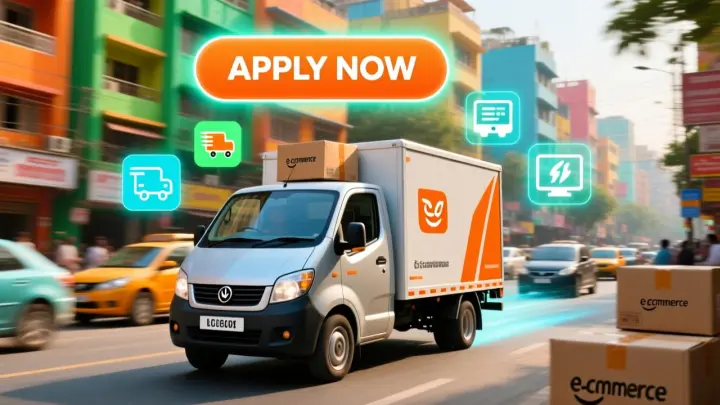
Picture this: It’s 10 PM in Mumbai. A young entrepreneur is packing the last few boxes of handcrafted jewelry for her online store. She knows her customers expect their orders tomorrow. Across town, a delivery driver in a compact LCV is weaving through crowded lanes, navigating traffic signals, and ensuring each package reaches its destination on time.
This is the unseen heartbeat of India’s e-commerce and intra-city logistics ecosystem — powered by next-generation light commercial vehicles (LCVs) and small trucks.
The rapid growth of India’s e-commerce sector has transformed logistics into a high-stakes game where speed, reliability, and flexibility are king. Here, next-gen LCVs are not just vehicles; they are lifelines that enable businesses to thrive and consumers to receive their goods seamlessly.
The Rising Demand for Next-Gen LCVs in India
1. E-commerce Growth and Delivery Expectations
India’s e-commerce market is projected to surpass $200 billion in the next five years. With this exponential growth:
- Same-day and next-day delivery have become non-negotiable.
- Businesses need lightweight, agile, and fuel-efficient vehicles that can navigate congested urban areas.
- Small trucks offer versatile cargo space without the cost or hassle of larger commercial vehicles.
These vehicles enable businesses to scale quickly while keeping operational costs under control.
2. Intra-city Logistics: The Urban Challenge
Urban India is a maze of narrow lanes, crowded streets, and unpredictable traffic. Next-gen LCVs and small trucks offer:
- Compact design for maneuvering through tight spaces.
- Superior fuel efficiency, reducing delivery costs.
- Advanced telematics for route optimization.
Think of these vehicles as the lifeblood coursing through the arteries of Indian cities — connecting warehouses to storefronts, and online orders to doorsteps.
3. Cost-Efficiency and ROI
Investing in next-gen LCVs is not just a necessity; it’s a strategic financial decision. Compared to traditional trucks:
- Lower fuel consumption.
- Reduced maintenance costs due to modern engineering.
- Higher resale value, thanks to robust build and brand trust.
Businesses can achieve a faster return on investment (ROI) while staying competitive in the fast-paced e-commerce landscape.
How Next-Gen LCVs Are Transforming E-commerce Logistics
1. Speed Meets Reliability
Imagine a scenario where a customer orders fresh groceries at 9 AM. Thanks to state-of-the-art LCVs equipped with refrigeration units, delivery is swift and the produce reaches the doorstep without spoiling. Reliability is the cornerstone of customer satisfaction, and these vehicles are built to deliver it consistently.
2. Sustainability Matters
Modern LCVs are increasingly embracing eco-friendly technologies:
- Electric and hybrid models reduce carbon emissions.
- Advanced fuel efficiency lowers operational costs.
- Compliance with Bharat Stage VI (BS6) emission norms ensures sustainability.
For companies looking to position themselves as environmentally responsible, investing in green LCVs is both a moral and strategic advantage.
3. Flexibility in Operations
Small businesses benefit enormously from modular and customizable vehicle designs:
- Adjustable cargo space for different product types.
- Easy loading and unloading mechanisms.
- Capability to operate across diverse terrains.
This flexibility translates to better service, happier customers, and higher repeat business.
Real-World Success Stories
Case Study 1: A Mumbai-Based Fashion Startup
A local fashion startup was struggling with delayed deliveries due to congested streets and limited parking. By investing in compact, next-gen LCVs, they:
- Cut delivery times by 40%.
- Increased daily delivery capacity by 30%.
- Enhanced customer satisfaction, resulting in a 25% boost in repeat orders.
Case Study 2: Regional Grocery Chains
A chain of regional grocery stores integrated small electric trucks into their logistics:
- Reduced fuel costs by 35%.
- Improved delivery punctuality.
- Strengthened brand image as an environmentally conscious retailer.
These stories highlight how choosing the right vehicles can revolutionize logistics and drive growth.
Key Features Driving Adoption of Next-Gen LCVs
1. Compact Size and Maneuverability
Urban India is notorious for narrow streets, chaotic traffic, and limited parking spaces. Next-gen LCVs are designed to thrive in these conditions:
- Easily navigate tight lanes that larger trucks cannot enter.
- Reduce delivery delays, allowing drivers to make more stops per day.
- Minimize the risk of accidents or damage to goods in crowded urban areas.
Think of these vehicles as the motorbikes of the commercial vehicle world—fast, flexible, and nimble.
2. Advanced Telematics and IoT Integration
The modern logistics industry demands real-time visibility and smart decision-making. Next-gen LCVs incorporate:
- GPS and route optimization software to avoid traffic and save fuel.
- Predictive maintenance alerts to prevent breakdowns.
- Fleet management dashboards that allow managers to track deliveries in real time.
These technologies ensure that every delivery is efficient, reliable, and cost-effective.
3. Fuel Efficiency and Electric Options
Cost per kilometer is a critical metric for logistics operators. Modern LCVs:
- Achieve high fuel efficiency, significantly lowering operational costs.
- Offer electric and hybrid models, which reduce dependency on fossil fuels.
- Qualify for government incentives under EV promotion programs, making adoption more financially attractive.
By choosing energy-efficient options, businesses not only save money but also contribute to a greener urban environment.
4. Safety and Ergonomics
Drivers are the backbone of delivery operations, and their safety and comfort matter. Next-gen LCVs provide:
- Advanced braking and collision-avoidance systems.
- Spacious, ergonomic cabins to reduce fatigue on long delivery routes.
- Reinforced structures to protect cargo and occupants.
Safe, comfortable drivers mean fewer accidents, faster deliveries, and more satisfied customers.
5. Customizable Cargo Space
The diversity of products in India’s e-commerce market demands flexibility:
- Modular interiors to accommodate everything from electronics to fresh produce.
- Refrigeration units for perishable goods.
- Lockable compartments for high-value or fragile items.
This adaptability makes LCVs ideal for multi-sector logistics, from groceries to fashion to pharmaceuticals.
Addressing Common Questions and Objections
1. Are LCVs Profitable for Small Businesses?
Absolutely. Lower operating costs, high maneuverability, and multi-route capabilities make next-gen LCVs a highly profitable investment. Small business owners can:
- Deliver more orders per day.
- Reduce fuel and maintenance expenses.
- Enhance customer loyalty through timely and reliable delivery.
2. What About Maintenance Costs?
Modern LCVs are engineered for durability:
- Predictive maintenance reduces unexpected downtime.
- Service networks are expanding in urban and semi-urban areas.
- Long-lasting components lower total cost of ownership over time.
Investing in a next-gen LCV is not just about purchasing a vehicle—it’s a long-term operational strategy.
3. Are Electric LCVs Ready for Urban India?
Yes. The electric vehicle ecosystem is growing rapidly:
- Charging infrastructure is expanding across metro and tier-2 cities.
- Reduced energy costs compared to diesel.
- Incentives from the government and state EV policies make electric LCVs increasingly attractive.
For urban logistics, electric LCVs are practical, cost-effective, and environmentally responsible.
4. How Do LCVs Handle Congested Cities?
Next-gen LCVs are purpose-built for urban environments:
- Compact, nimble designs navigate traffic jams efficiently.
- GPS and route optimization avoid delays and reduce idle time.
- Flexible loading/unloading mechanisms speed up deliveries in areas with limited parking.
They turn the challenge of congested cities into an opportunity for faster, more efficient deliveries.
The Future: Next-Gen LCVs as the Backbone of India’s Logistics
India’s e-commerce and intra-city logistics landscape is evolving rapidly. Over the next decade, we can expect:
- Wider adoption of electric and hybrid LCVs, reducing emissions and operating costs.
- AI-powered route optimization, predictive analytics, and smart fleet management for maximum efficiency.
- Integration with warehousing and last-mile logistics systems, creating seamless end-to-end delivery networks.
- Increased focus on sustainability and low-emission vehicles, aligning business operations with environmental goals.
Businesses that invest in next-gen LCVs today are positioning themselves as leaders in a tech-driven, competitive logistics ecosystem.
Conclusion: Invest in Next-Gen LCVs, Drive Growth Tomorrow
Next-gen LCVs and small trucks are more than just vehicles; they are strategic assets. They empower businesses to:
- Meet the rising demands of e-commerce.
- Navigate congested urban streets with speed and efficiency.
- Reduce operational costs and improve profitability.
Whether you are a small startup or a regional logistics company, investing in the right LCV today sets the stage for sustainable growth tomorrow.
Take Action: Explore our range of next-gen LCVs and small trucks today. Upgrade your fleet, streamline deliveries, and transform your logistics operations for a faster, greener, and more profitable tomorrow.